Commercial Building Inspections: What Allentown Owners Need to Know


Owning a commercial building comes with numerous responsibilities, one of which is ensuring the property is safe and compliant with local regulations. Regular commercial building inspections are crucial for maintaining the integrity and safety of your property. These inspections not only help identify potential issues before they become costly repairs but also ensure that your building remains a safe environment for tenants and visitors.
In this blog post, we’ll explore what property owners need to know about commercial building inspections, why they are essential, and how to effectively prepare for them.
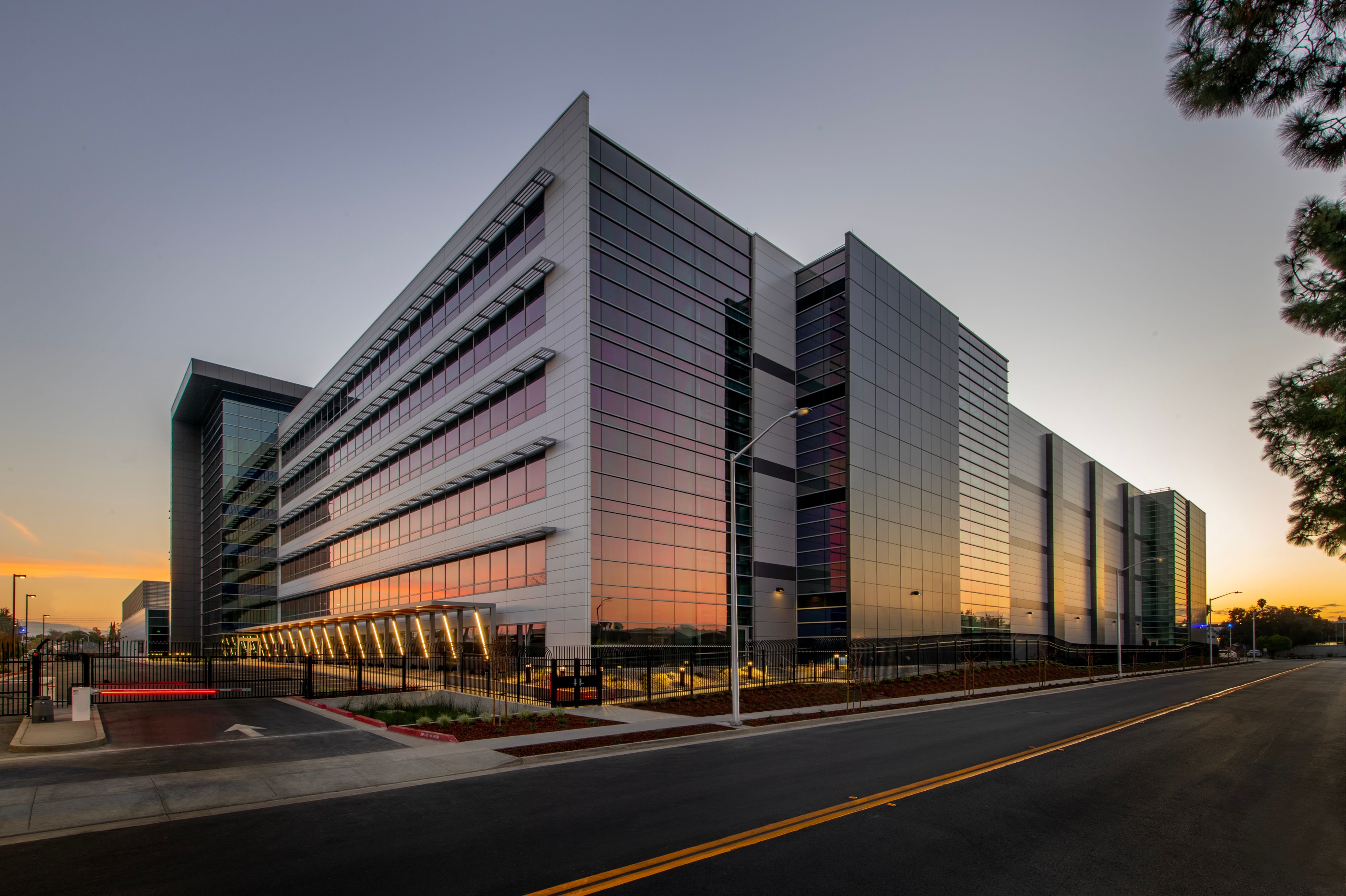
Understanding the Importance of Commercial Building Inspections
Commercial building inspections are comprehensive evaluations that assess the condition of a building's structural and functional aspects. These inspections are vital for several reasons:
- Safety: Ensures the safety of occupants by identifying potential hazards.
- Compliance: Verifies that the building meets local codes and regulations.
- Maintenance: Helps in planning maintenance and repairs to extend the building's lifespan.
Adhering to city codes and ordinances is crucial for avoiding fines and potential legal issues. Regular inspections can help you stay compliant and maintain your building’s reputation.
Types of Inspections to Consider
There are various types of inspections that commercial property owners should be aware of:
Structural Inspections
These inspections focus on the building's foundation, roof, walls, and other structural components. Structural inspections are essential for identifying issues such as cracks, leaks, or signs of deterioration.
Mechanical and Electrical Inspections
This type of inspection evaluates the building's HVAC systems, electrical wiring, and plumbing. Regular checks ensure these systems are functioning efficiently and safely.
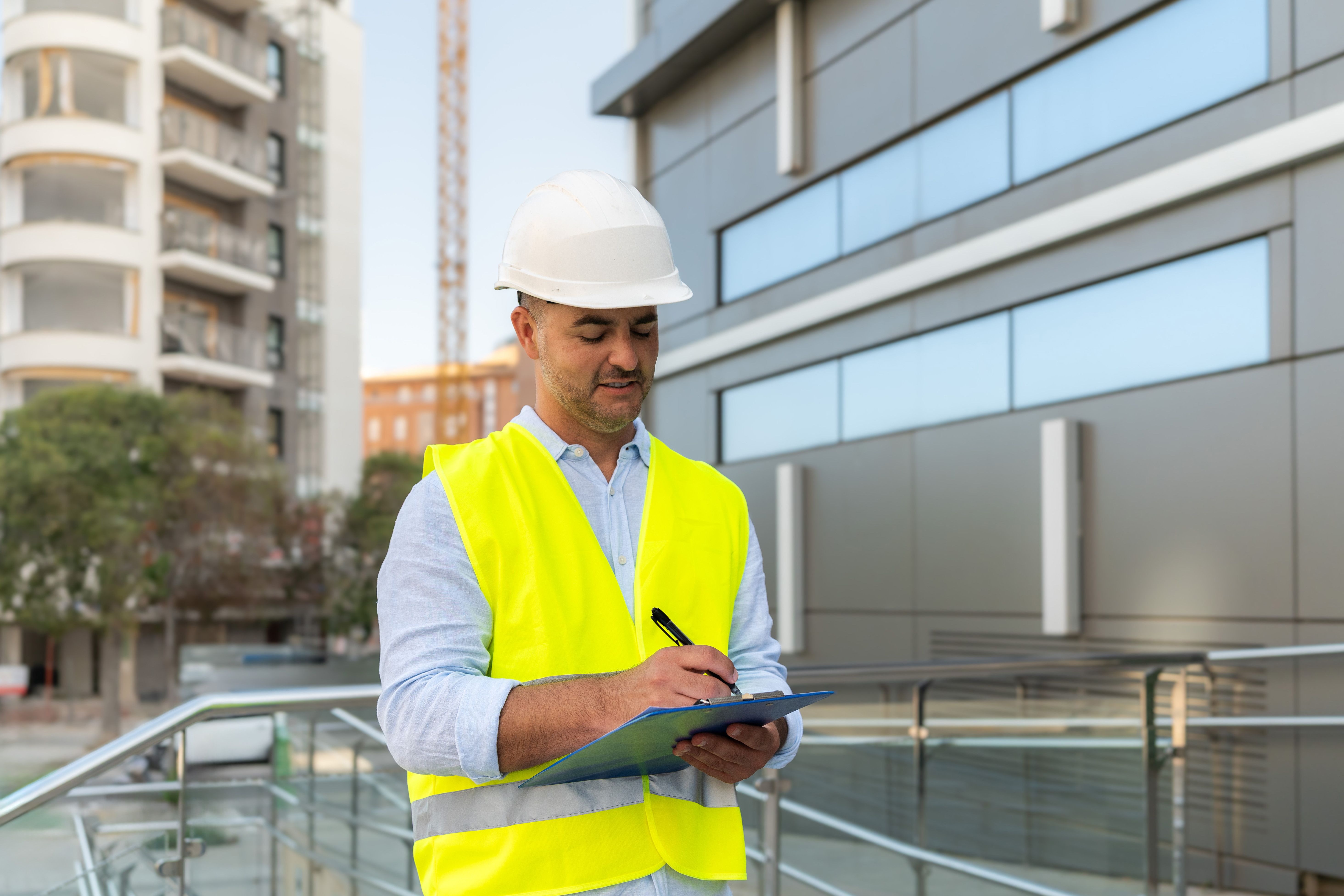
Preparing for a Commercial Building Inspection
Preparation is key to a successful inspection. Here are some steps to help you get ready:
- Review past inspection reports: Understanding previous findings can help you address recurring issues.
- Conduct a preliminary walkthrough: Identify visible issues and ensure they are addressed before the official inspection.
- Organize documentation: Keep all necessary paperwork, such as maintenance records and permits, readily available.
Choosing the Right Inspector
Selecting a qualified inspector is crucial for a thorough evaluation. Look for inspectors with experience in commercial properties and a good understanding of building practices. Personal recommendations and online reviews can be helpful in making an informed decision.
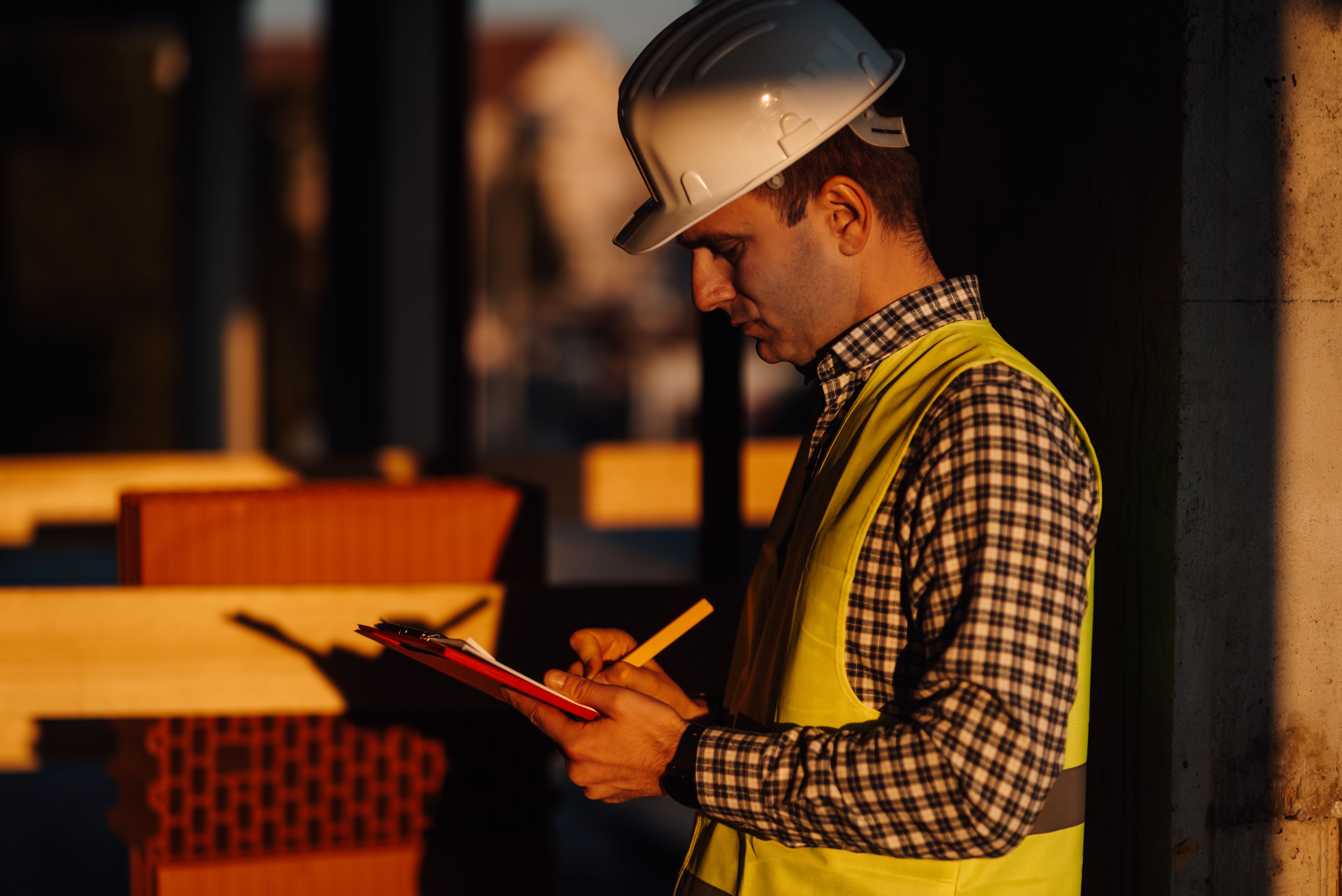
Post-Inspection Actions
After the inspection, you’ll receive a detailed report outlining any issues found. It’s important to:
- Address issues promptly: Prioritize repairs to prevent minor issues from escalating.
- Plan for future maintenance: Use the findings to create a maintenance schedule.
- Keep records: Document all repairs and maintenance actions for future reference.
Regular commercial building inspections are an essential part of property management. By understanding their importance, preparing adequately, and taking timely action on inspection findings, you can ensure that your building remains a safe and compliant asset for years to come.